
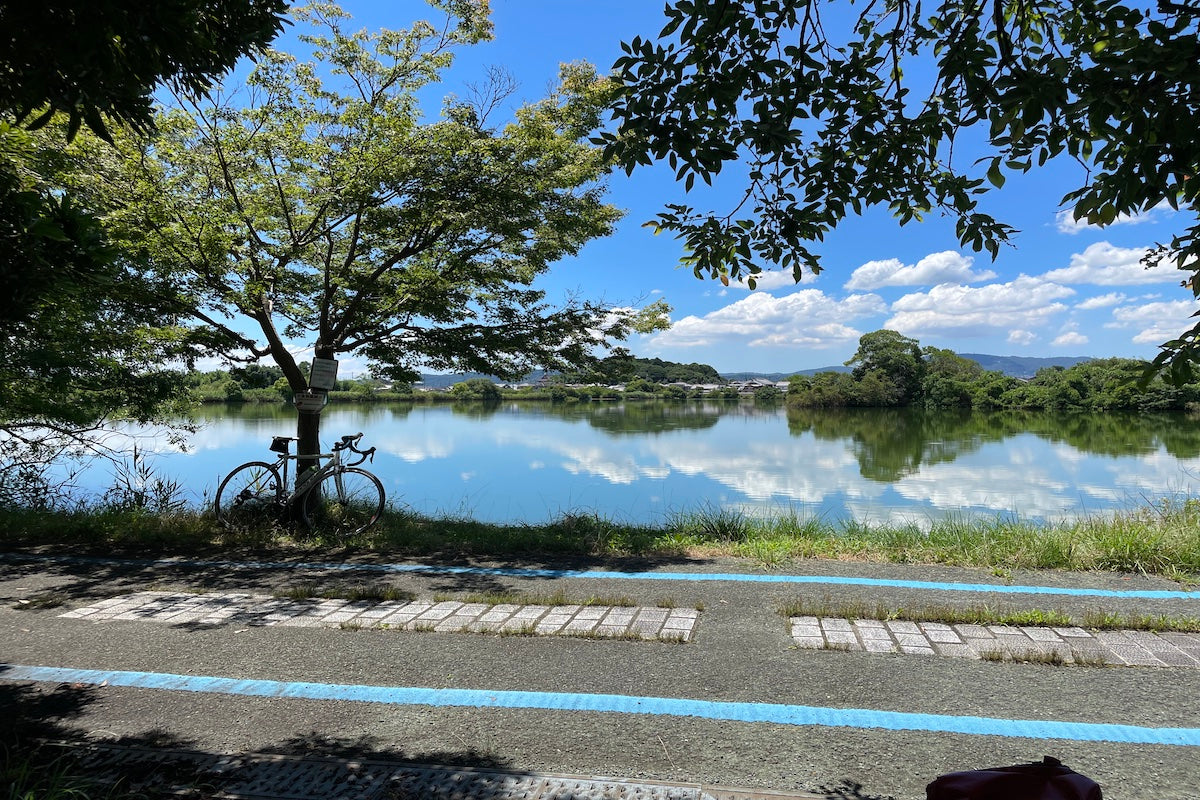
A train can take you almost anywhere in Japan. A bicycle changes what you notice along the way: the scent of cedar after rain, a roadside noodle shop with no English menu, the quiet approach to a temple before the tour buses arrive. Japan bike rentals make that kind of travel possible without the expense, risk, and packing headache of flying with your own bike.
The right rental is not simply a bike with two wheels. For a day around Kyoto, a well-fitted road bike and a thoughtful route can turn a crowded sightseeing plan into a memorable ride. Whether riding a few days on the Shimanami Kaido, a longer ride around Shikoku, or a longer point-to-point tour, luggage capacity, mechanical reliability, delivery arrangements, and return logistics matter just as much as frame size.
Choosing Japan Bike Rentals That Match Your Trip
Start with the riding you actually want to do, rather than the bike you usually ride at home. Japan offers smooth river paths, steep mountain passes, coastal islands, dense city streets, and narrow rural lanes that can change character within a single day. A fast carbon road bike is a fine choice for riders focused on distance, climbing, and pavement. It is less useful if your priority is carrying clothing, stopping often, and taking backroads with rougher surfaces.
Touring bicycles are often the better fit for independent travel. They provide a more relaxed riding position and can be set up with panniers for a few days or several weeks on the road. This means you can travel at your own pace instead of moving luggage by train every evening. For many visitors, that is the difference between a cycling day trip and a genuine bicycle journey.
If you are uncertain, think about three practical questions: How far will you ride each day? Will you carry your own luggage? Are you comfortable fixing a flat or making minor adjustments? Honest answers help a specialist recommend the right setup. A good operator should ask about your height, riding experience, route, and luggage plan before handing over a bike.
Road bikes for distance and climbing
Japan rewards road cyclists willing to leave the major cities. The hills around Kyoto and Osaka, the coastlines of Wakayama, and mountain roads across the country offer demanding, beautiful riding with remarkably considerate drivers in many rural areas. A quality road bike with gearing appropriate for climbing lets experienced riders enjoy these routes rather than merely endure them.
Fit still comes first. Share your usual bike size and, when possible, measurements such as saddle height, reach preferences, and pedal system. Bringing your own pedals, shoes, helmet, and familiar saddle can make a rental feel much closer to home. If you prefer flat pedals, say so in advance. There is no prize for choosing a setup that leaves you uncomfortable on day two.
Touring bikes for the long way around
A touring setup should solve problems before they occur. Rear panniers keep weight off your back, while a GPS device or reliable phone mount makes it easier to follow quieter roads. Lights, a lock, spare tube, pump, and basic repair kit are small details until you need them in a village far from the nearest bike shop.
For multi-day trips, ask how the bike is prepared and what support is available if plans change. A professional pre-rental inspection should cover brakes, tires, drivetrain, shifting, bolts, and battery-powered equipment. The goal is not to eliminate every possibility of a mechanical issue. It is to begin with a bike that has been checked carefully and a clear plan for handling the unexpected.
Plan the Logistics Before You Book
Japan is efficient, but bicycles do not always fit neatly into a train-based itinerary. Most rail travel with a full-size bike requires it to be packed in a bike bag (rinko bag), and moving a loaded touring bike through large stations is rarely the relaxing start or finish riders imagine. Pickup, return, and delivery options deserve as much attention as your route.
If you are beginning near Osaka, Kyoto, or Onomichi, a local pickup allows time for a fit check, equipment review, and route conversation before you ride. This is especially valuable for first-time visitors, riders using unfamiliar equipment, and groups with different ability levels. You can confirm saddle height, test the shifting, and ask the questions that only occur when you see the bike in person.
For routes that start or finish elsewhere, nationwide delivery and collection can remove a major obstacle. It may cost more than collecting from a physical hub, but it can save a day of awkward train transfers and preserve the logic of a one-way itinerary. The best choice depends on your schedule, airport arrival point, and whether you plan to finish far from where you started.
Book early if you need a particular frame size, a performance road bike, multiple bikes, panniers, or a holiday-period rental. Spring cherry blossom season and fall foliage season bring excellent riding weather and higher demand. Reserving ahead also gives you time to discuss route support, equipment preferences, and realistic daily distances.
The Details That Make a Ride Easier
Japan is exceptionally bike-friendly in spirit, but the road environment has its own rhythm. In cities, riders need patience with pedestrians, delivery vehicles, narrow lanes, and frequent stops. In the countryside, the challenge may be a long climb, a sudden tunnel, or a stretch with few convenience stores. Route planning should reflect both terrain and your appetite for navigation.
Do not judge a route only by mileage. A 45-mile ride with 4,000 feet of climbing, rural resupply gaps, and several photo stops can feel much bigger than the number suggests. Build in time for shrine visits, meals, wrong turns, weather, and the small discoveries that make cycling in Japan worthwhile.
A few practical habits go a long way:
- Carry cash as well as a card. Small restaurants, rural shops, and some vending machines may be cash-oriented.
- Keep a light rain layer accessible. Weather can shift quickly, particularly in mountain and coastal areas.
- Use lights in tunnels, even during daylight. Many rural routes pass through tunnels where visibility changes abruptly.
- Park considerately and lock the bike when you step away. Japan is generally safe, but good habits travel well.
Navigation deserves special attention. A phone works well for many riders, but battery life, wet weather, and screen visibility can become frustrating on a full day in the saddle. A dedicated GPS unit, offline maps, and a route prepared by people who know the area offer useful redundancy. More importantly, local route knowledge can steer you away from a busy road that looks acceptable on a map and toward a quiet lane you would never find on your own.
Guided Day Rides or Independent Travel?
Independent cycling gives you maximum freedom. You can stop for a second coffee, take an unplanned ferry, or spend an hour photographing a fishing harbor. It works best for riders who are comfortable navigating, managing their pace, and adapting when weather or road conditions change.
A guided ride is not only for beginners. A local guide can make a limited day in Osaka or Kyoto far more productive by connecting low-traffic roads, scenic climbs, neighborhood food stops, and cultural sites that are difficult to combine without local knowledge. It is also an excellent choice for mixed-experience groups, where route selection and pace management can otherwise become the hardest part of the day.
Road Bike Rental Japan can prepare road and touring bicycles for both styles of travel, from a self-guided multi-day route with panniers and GPS to a customizable one-day ride. The value is in the preparation as much as the equipment: a bike set up for your body, a route suited to your goals, and logistics that do not force the trip into a round trip.
Ride Japan at a Pace That Leaves Room for Surprise
The strongest cycling itineraries leave some space around the plan. Choose a bike that fits the roads and the luggage, organize pickup or delivery before flights and hotels are locked in, and avoid treating every day as a mileage challenge. Japan is at its best from the saddle when you have enough time to follow the quieter turn, stop at the small bakery, and see where the road goes next.