
Road Bike Rental Japan for Independent Riders
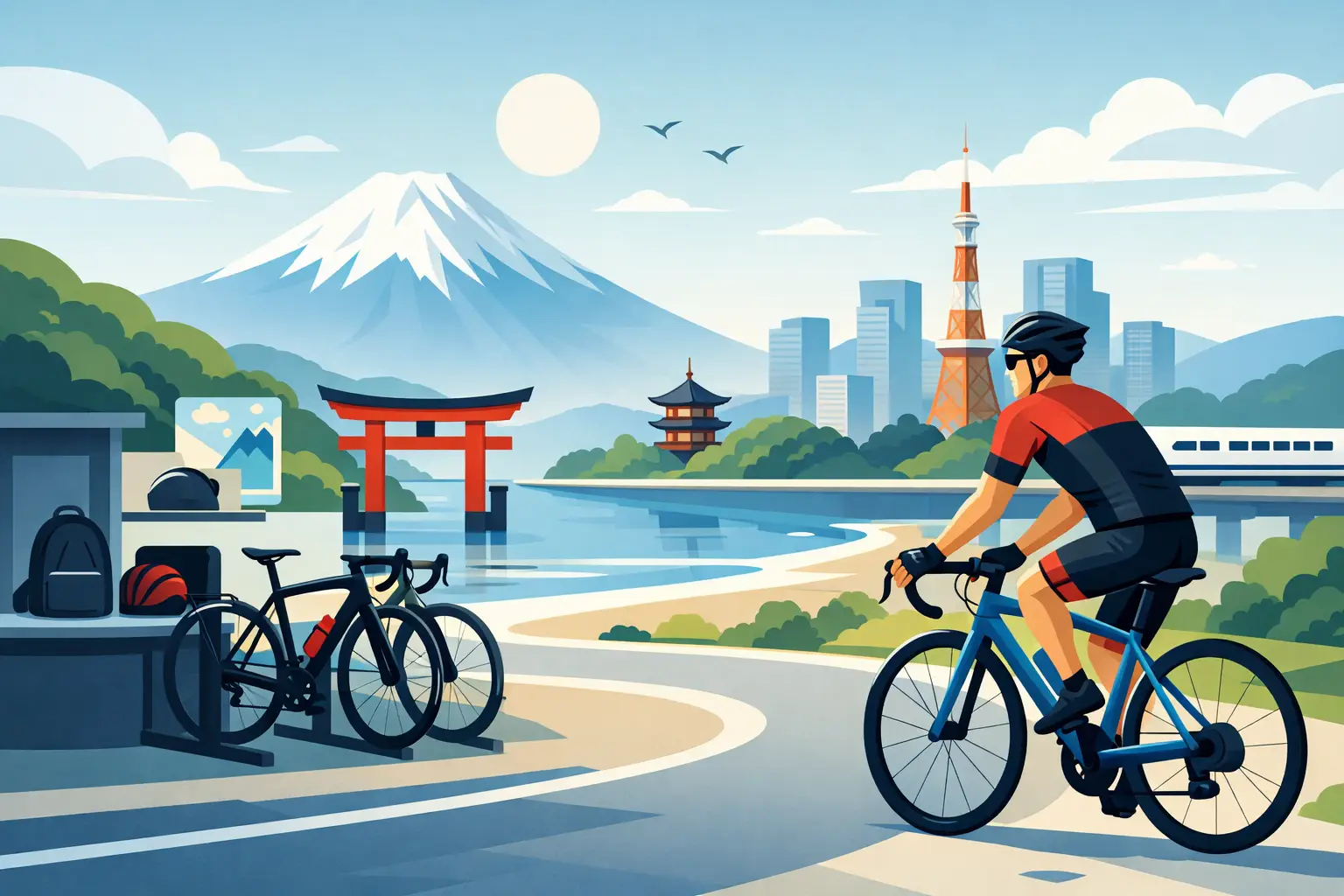
Japan rewards riders who are willing to take the quieter road. A few miles beyond a station, the scenery can shift from city streets to rice fields, cedar forests, fishing ports, and mountain passes with a small family-run café at the top. Road bike rental Japan makes that kind of travel possible without the cost, stress, and airport risk of flying with your own bike.
The right rental is more than a frame and two wheels. It is a properly fitted bike, dependable brakes and drivetrain, the equipment your route requires, and local advice that helps you spend more time riding and less time solving logistical problems. Whether you are planning a fast day around Kyoto, a multi-day crossing of rural Japan, or a relaxed ride on the Shimanami Kaido, preparation changes the whole experience.
Choose a Bike That Matches the Ride
Start with the route, not the bike model. A road bike is the natural choice for riders who want efficient pavement miles, climbing performance, and a responsive feel on winding mountain roads. It works particularly well for day rides, point-to-point road routes, and multi-day trips where you are carrying light luggage.
For a more self-contained journey, a touring bicycle may be the better fit. Touring setups prioritize stable handling and practical carrying capacity. If you plan to use panniers, ride mixed road surfaces, or travel at a slower pace with more gear, the extra versatility is usually worth more than the small speed advantage of a pure road bike.
Your riding style matters too. Experienced cyclists often know their preferred frame size, saddle position, pedal system, and gearing. Share those details when reserving. If you are less certain, provide your height, inseam, and usual bike size, then ask for guidance. A professional rental team can make sensible adjustments before pickup, but a clear fit request in advance gives everyone more time to get it right.
Pedals deserve special attention. Many international riders prefer to bring their own pedals and cycling shoes, especially for a multi-day trip. This is simple to arrange in most cases and preserves the connection points your body is used to. Flat pedals are also a perfectly good choice for recreational riders, travelers who want to stop often, or anyone not accustomed to clipless systems.
What a Good Road Bike Rental in Japan Should Include
A low daily rate is not always the best value if it leaves you sourcing essentials after arrival. Ask what is included, what can be added, and how the bike is checked before handover. For a trip in an unfamiliar country, details matter.
A well-prepared rental should come with a safety inspection and a bike that has been cleaned, adjusted, and test-ridden as needed. Tires, brakes, chain condition, shifting, wheel alignment, and fasteners should all receive attention. That level of preparation is especially important in Japan, where a route may take you far from a major bike shop in a single afternoon.
For touring and bikepacking-style travel, consider the full setup rather than just the bicycle. Panniers, racks, lights, repair equipment, locks, pumps, and GPS navigation can turn a complicated packing list into an easy arrival. GPS support is particularly useful when you want to leave the main tourist corridors. Navigation apps are helpful, but a route prepared by people who know local road conditions is better for avoiding unpleasant traffic, restricted roads, or climbs that do not suit your plan.
At Road Bike Rental Japan, bike preparation, touring equipment, route support, and flexible delivery logistics are built around the needs of visiting riders. The goal is straightforward: arrive ready to ride, with a setup that suits the journey you actually want to take.
Plan Your Pickup, Return, and Luggage Before You Land
The most enjoyable cycling trips usually solve logistics before the first pedal stroke. If you are staying near Osaka, Kyoto, or Onomichi, a hub pickup can be a convenient way to begin. These areas also connect naturally to excellent riding: Kansai for city-to-country day routes and cultural touring, and Onomichi for access to the islands of the Shimanami Kaido.
But Japan is much bigger than its major cycling gateways. If your itinerary starts in a rural region, ends at a different city, or follows a long-distance route, nationwide delivery and collection can make more sense. Inter-location pickup and return can also save you from backtracking simply to return a bike. It may cost more than a standard same-location rental, but it can be the best trade-off when your vacation time is limited.
Think through what happens to your regular luggage while you ride. Some travelers use luggage forwarding to send suitcases ahead to their next hotel, then carry only what they need on the bike. Others build rest days into their itinerary and return to the same accommodation. Both approaches work, but neither should be left to the morning you set out.
Train travel is another useful planning tool. Japan’s rail network can connect separate cycling regions efficiently, although rules and practicalities vary by train and bicycle packing method. A rental operator can help you choose a route that works with your arrival airport, hotel locations, and onward travel instead of treating the bike ride as an isolated part of the trip.
Match Your Route to Japan’s Seasons
Japan can be an outstanding place to ride year-round, but the best region and pace depend heavily on the season. Spring brings mild temperatures, fresh green landscapes, and cherry blossoms, though popular areas can be busy. Autumn is often a favorite for long rides because the air is cooler, humidity drops, and mountain color adds another reason to stop.
Summer requires a more deliberate plan. Central cities and lowland valleys can be hot and humid, so early starts, frequent water stops, and routes with shade or elevation are wise. Mountain regions and coastal roads can be more comfortable, but weather still changes quickly. Winter is milder in some southern and coastal areas, while northern regions and high passes may be cold, snowy, or closed.
Rain is part of cycling in Japan, especially during the early-summer rainy season and during typhoon periods. Do not assume a wet forecast means the whole trip is lost. A flexible route, waterproof layers, dry bags for electronics, and realistic daily distances can keep a multi-day journey enjoyable. On the other hand, strong winds, heavy rain, or warnings for mountain areas are reasons to adjust. Good route support includes knowing when not to force the original plan.
Ride With Local Traffic Habits in Mind
Japan is generally a considerate place to travel by bike, but road awareness remains essential. Traffic drives on the left. That sounds simple, yet it takes concentration at every intersection, roundabout, parking lot exit, and quiet country turn. Give yourself an easy first hour to settle into the rhythm.
Use lights when visibility is poor, ride predictably, and pay close attention around truck traffic and narrow urban streets. Rural roads can be wonderfully quiet, but tunnels, bridges, and coastal sections may have limited shoulders. A locally recommended route is valuable because it considers more than distance and elevation. It considers the character of the road.
Convenience stores are one of the great advantages of riding in Japan. They are frequent, reliable places to refill water, buy snacks, use restrooms, and reset during a long day. Still, do not rely on them in every mountain area. Carry enough food and water for the terrain ahead, especially if your route includes a long climb or a remote valley.
Give Yourself Time to Stop
The strongest argument for cycling Japan is not just the riding. It is the access. A bike lets you pause at a shrine you would miss from a train, follow the smell of grilled fish near a harbor, or take a detour because a local sign points toward a viewpoint. The best itineraries leave room for those moments.
Avoid building every day around a maximum mileage target. A 50-mile day on open coastal roads can feel easy; the same distance through hills, heat, and frequent cultural stops can become a full day. Plan a conservative base route, then treat extra miles as an option rather than an obligation.
Reserve a bike that fits your route, arrange your luggage and return plan early, and ask questions about the roads you will actually ride. With the practical pieces handled, Japan opens up one rewarding turn at a time.